The prima donnas of the spring garden may be the vibrant and showy daffodils and tulips but as with all well stage-managed productions it is the smaller, bit parts that complete the show. Often overlooked, these small, blue flowered bulbs are the perfect foil for the brighter colours of other spring bulbs, especially the golden yellow of daffodils. Yellow and blue is one of the most reliable colour combinations, guaranteed to add a little drama to an otherwise bland scene. The majority of these bulbs are also easy and very reliable, tolerating most soils and conditions providing that the soil is not actually waterlogged and there is sun for at least part of the day while they are in flower. The only downside is that some are a little too easy and can become invasive.
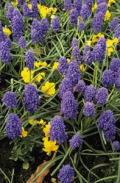
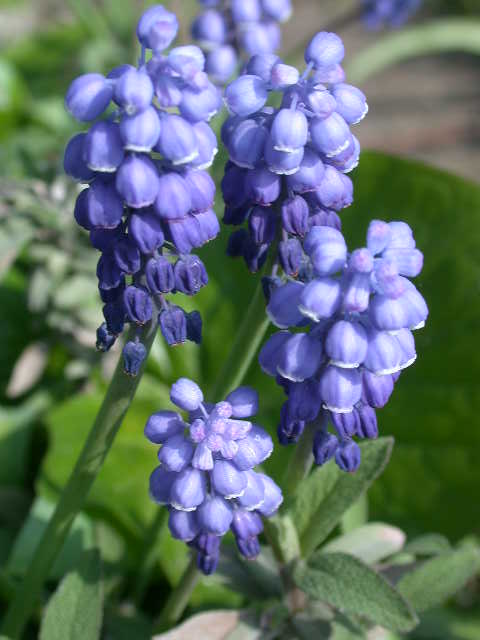
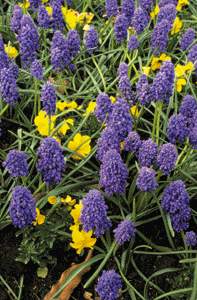
Virtually every garden I know has at least one clump of either the almost evergreen Grape Hyacinth, Muscari neglectum, with its dark blue flowers or the paler M.armenaicum. Although both are rapid increasers and probably too vigorous for most borders they are excellent naturalised under deciduous trees. For a bolder effect, and I like to grow mine in pots with yellow pansies, why not try the double flowered form M.armenaicum ‘Blue Spike’ with its massive flower heads?
If you are looking for something more refined and certainly more restrained then I would suggest M.latifolium with its single broad leaf and striking light and dark blue two-tone flower. Although it will produce seedlings, it does so in a restrained manner, never exceeding its welcome. The almost turquoise blue of M. azureum is hard to beat. This dwarf gem, only 6cm tall, produces rounded, rather tubby flowers and is small enough not to swamp neighbouring rock plants. I also use it very effectively at the front of a sunny herbaceous border.
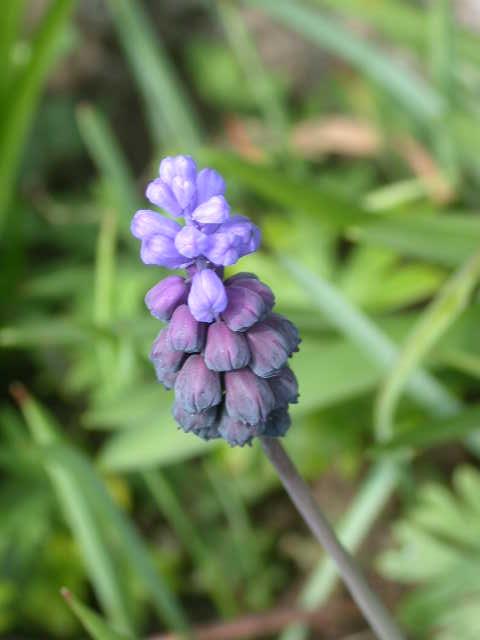
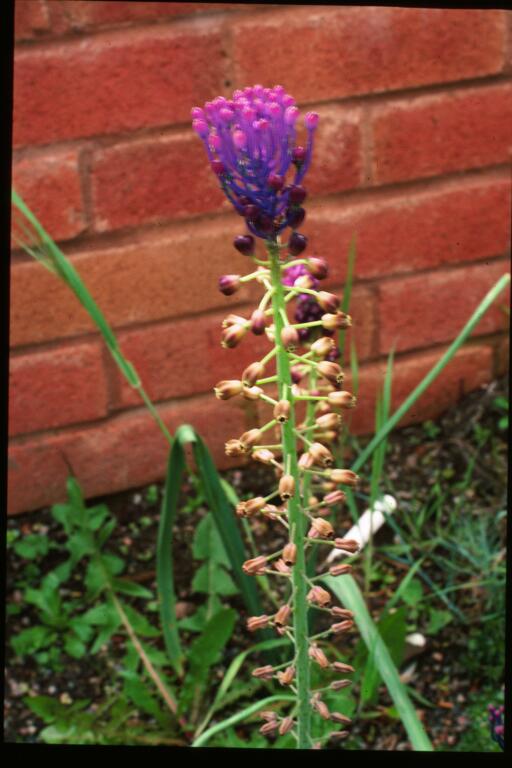
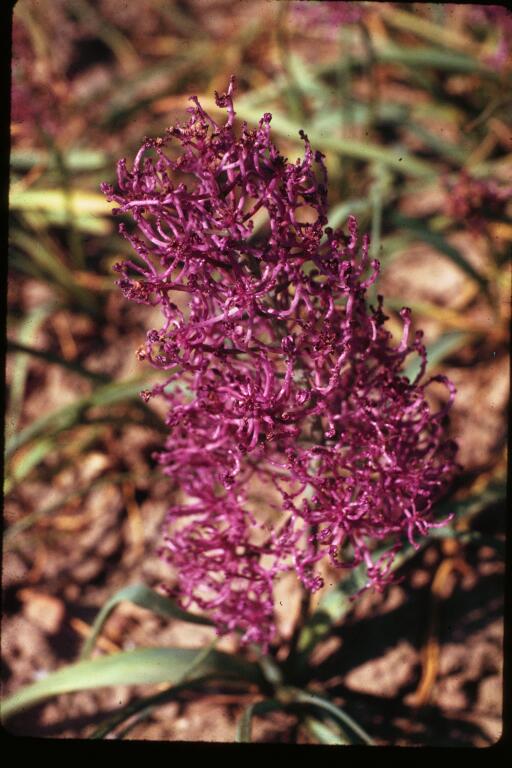
The most unusual Grape hyacinths are the Tassel Hyacinths (M.comosum) with their cluster of brilliant violet sterile flowers held above the creamy-brown fertile flowers. At 40cm these are one of the tallest. They are also much later flowering, in May rather than the more normal March-April for most Muscari. In the double form M.c. ‘Plumosum’ all the purple flowers are sterile, resulting in a huge, open head of feathery flowers.
Scilla
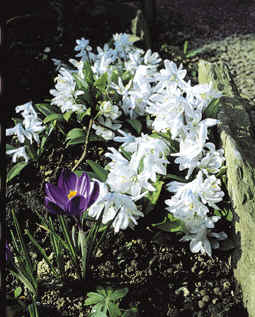
The Scillas are the most versatile of spring bulbs. Scilla bifolia is one of the earliest bulbs to flower, often with the snowdrops. It has a raceme of small, intense blue starry flowers and needs to be planted in significant numbers to make an impact. The unpronounceable Scilla mischtschenkoana ‘Tubergeniana’ is one of the absolute must bulbs for any garden. The ice-blue flowers, which open out almost flat, first appear in February and continue well into March. Sunshine and a well-drained soil is all it requires and they are equally at home in a bed or in thin grass with crocuses under a deciduous tree.
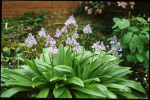
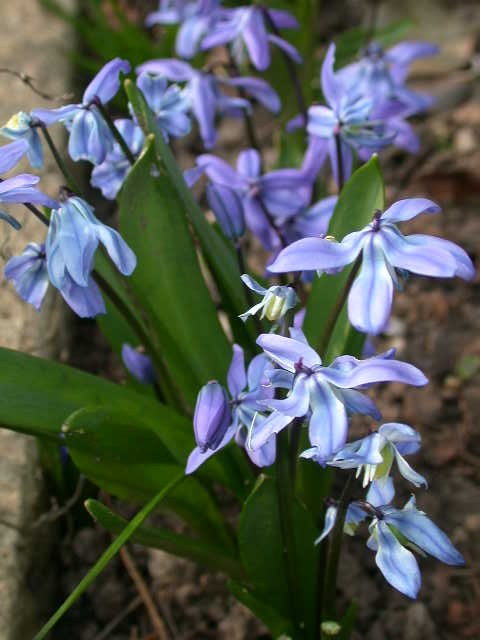
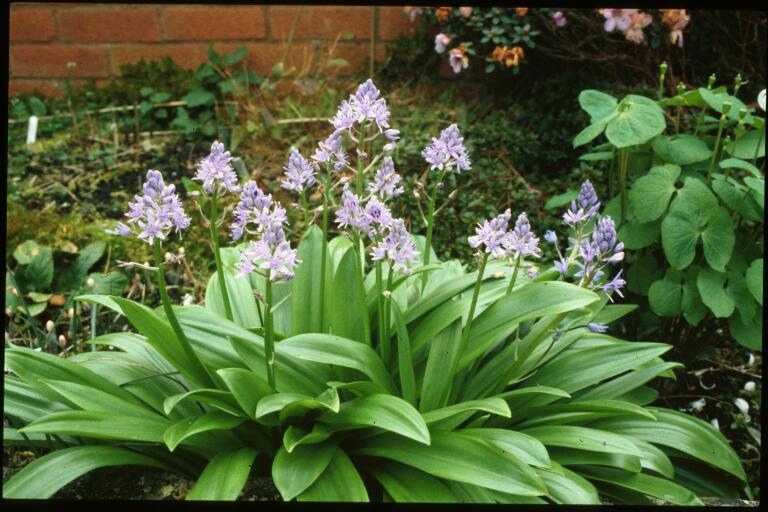
Taller and later flowering Scilla sibirica ‘Spring Beauty’ has nodding flowers of intense royal blue. I mass it round the base of a winter flowering cherry and use it to edge a path in my herb garden. I am particularly fond of the quiet charms of Scilla lilio-hyacinthus. This little woodland gem, with broad, fleshy leaves and pyramidal heads of sky-blue delights in a cool, humus rich soil in part shade.
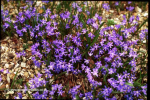
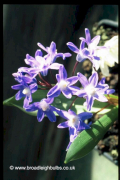
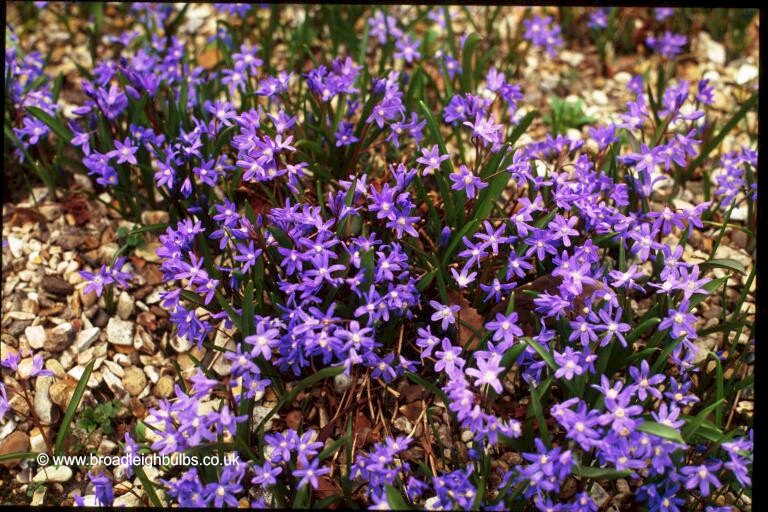
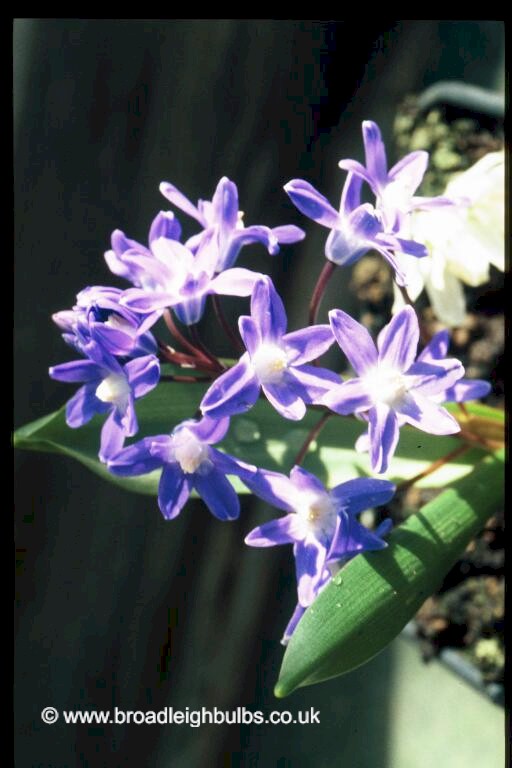
Chionodoxas, commonly called Glory of the Snow, are a close relative of the Scillas. All have a cluster of upward facing blue flowers that appear in March. Coming from high mountains they are very hardy but do not like to be too hot in the summer. They are therefore excellent planted in beds round the base of trees or among shrubs where they will seed in time to form a blue carpet. Nothing is quite as beautiful as a white magnolia in full flower above a sea of blue chionodoxa. I also grow mine with hostas in a woodland bed as they flower well before the hosta leaves unfurl. Chionodoxa sardensis is the smallest with intense blue flowers. Chionodoxa forbesii has larger flowers with a paler centre whilst Chionodoxa lucilliae (which used to be called Chionodoxa gigantea) is the tallest, 14cm, and has paler blue flowers and a bold white eye. Sadly they do not like the competition from grass and are best grown in beds. White and pink flowered forms are also available. Puschkinia scilloides, with its chunky clusters of dark striped pale blue flowers, is another scilla relative.
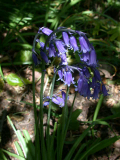
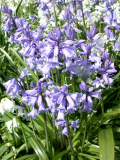
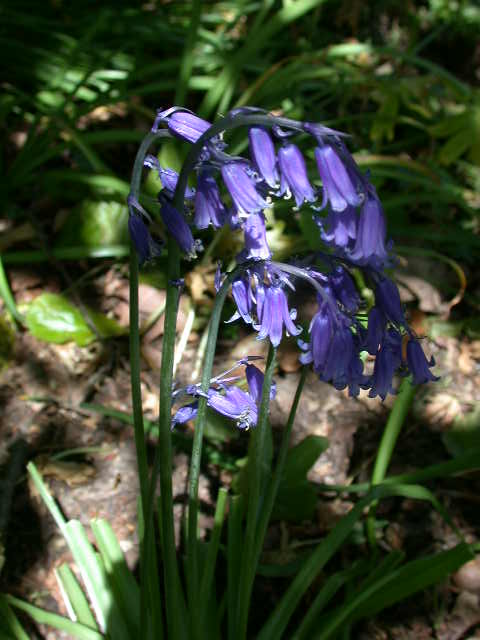
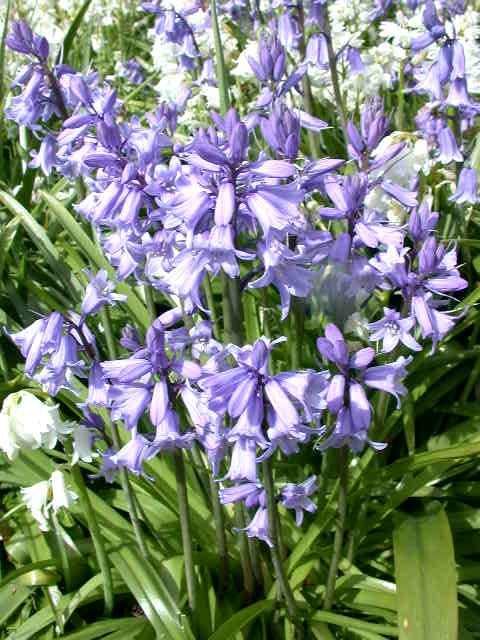
The name Scilla is often misapplied to Bluebells, which are more correctly called Hyacinthoides and need little introduction. The true British native, H non-scriptus, is best grown in the dry shade of deciduous woodland and is too vigorous for all but the largest or wildest gardens. The bolder Spanish counterpart with its stiff racemes of flowers is equally at home in woodland or a border. Both, once established, can be invasive but who can forget the sight of massed bluebells in dappled sunlight beneath the fresh green leaves of a beech tree. One tip if you are growing them in a border, is to carefully dead head the bulbs as soon as the flowers fade.
Cultivation
These are among the easiest of spring bulbs to cultivate, having no special requirements other than a free draining soil in sun or part shade. They are cheap enough to plant in large numbers for the greatest impact. The bulbs should be planted in the autumn 6-7cm deep and 1-2cm apart. Most will seed more or less vigorously and unwanted seedlings can be moved to a new location once they are large enough to handle – after 3-4 years. Some of the more vigorous Grape Hyacinths will also produce many offsets and over crowded clumps can be lifted and divided, either in the spring or autumn once the leaves appear.
This article was first published in the English Garden April 2003